Table of Contents
Persian Pistachios: The Complete Guide
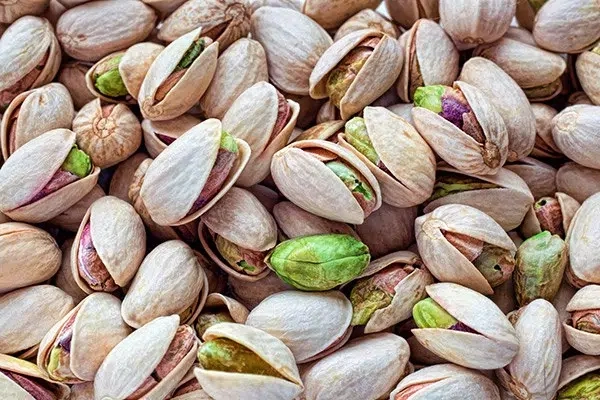
Welcome to your premier resource for Persian in-shell pistachios, often celebrated as “Iran’s Green Gold.” For centuries, the fertile lands of Iran, particularly the region of Kerman, have produced the world’s most prized pistachios, renowned for their distinct flavor, rich aroma, and natural, semi-open smile. This guide explores everything from the unique characteristics of premium Iranian pistachio varieties like the long and slender Akbari and the round, flavorful Fandoghi to the journey they take from orchard to export. Whether you are a culinary enthusiast eager to understand their unmatched taste, or a buyer seeking insight into the grades and quality of authentic Persian nuts, this page covers the legacy, cultivation, and global appeal of these exceptional in-shell treasures.
The Origin of Premium Iranian Pistachio
Iran stands as the birthplace of the finest pistachio varieties. The country’s unique geography creates perfect conditions for growing this prized nut. For centuries, farmers have cultivated pistachio trees across Iran’s central plateaus. People across the globe seek premium Iranian pistachio for its unmatched quality.
The scientific name for this exceptional nut is Pistacia vera L. Iranians often call it the “green gold” due to its value and vibrant color. This precious crop represents Iran’s agricultural heritage. Persian nuts from this region have delighted traders for millennia.
The Pistachio Belt of Iran
The most famous growing regions lie in Kerman province. Rafsanjan pistachio comes from this area and enjoys worldwide recognition. The city produces some of the highest quality Iranian pistachio nuts available. Buyers specifically request pistachio from Iran for its consistency.
Kerman pistachio benefits from the region’s special climate. Hot days and cool nights intensify the nut’s flavor. The soil composition here adds unique mineral characteristics. This results in Iranian green pistachio with exceptional taste.
Other provinces also contribute to Iran’s pistachio production. Each area imparts slight variations in taste and appearance. This diversity offers buyers multiple choices for their needs. The country consistently delivers export quality pistachio year after year.
Why Iranian Soil Creates Superior Nuts
Iranian pistachio / Persian pistachio thrives in semi-desert conditions. The trees tolerate salinity and drought remarkably well. These harsh conditions actually concentrate flavors in the nuts. Iran pistachio nuts develop complexity you cannot find elsewhere.
The long growing season allows full kernel development. Plenty of sunshine ensures the nuts achieve their characteristic green color. Persian pistachio is renowned for this vibrant hue. Middle Eastern pistachio from Iran stands apart from others.
Iranian Pistachio Varieties
Iran cultivates more pistachio varieties than any other country. Each type offers unique characteristics for different market needs. The four main commercial varieties come from years of selective breeding. These cultivars carry distinct shapes, sizes, and flavor profiles. Iranian farmers have perfected these varieties over generations. The diversity ensures buyers find exactly what they need.
Iranian Long Pistachio Varieties
Iran cultivates more pistachio varieties than any other country. Each type offers unique characteristics for different market needs. The four main commercial varieties come from years of selective breeding. These cultivars carry distinct shapes, sizes, and flavor profiles. Iranian farmers have perfected these varieties over generations. The diversity ensures buyers find exactly what they need.
- Ahmad Aghaei Pistachio
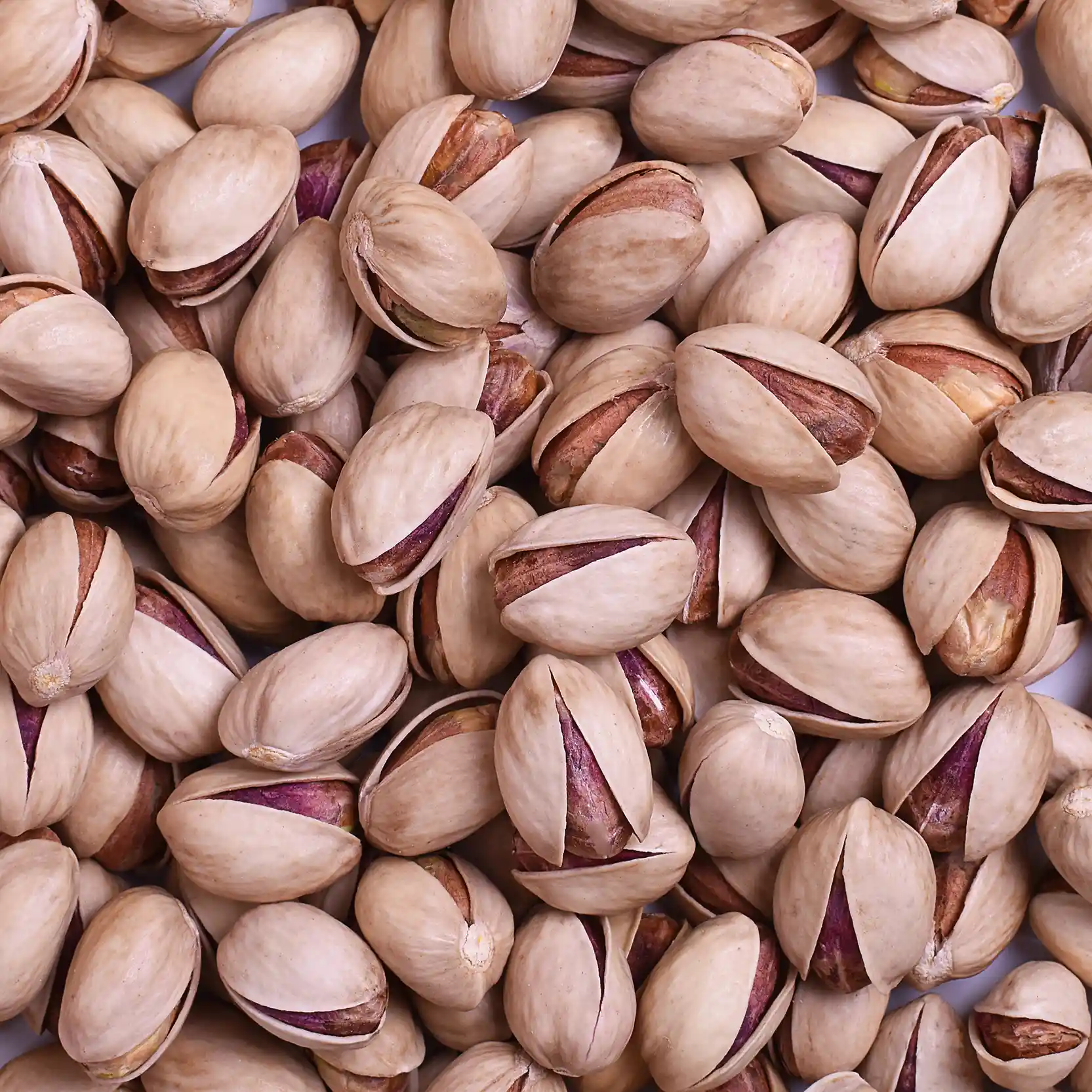
This variety features an attractive open-mouth appearance. The nut has a light cream shell color that looks appealing. Its kernel tastes sweet with pleasant buttery undertones. Ahmad Aghaei pistachio is famous for consistent quality across harvests. The size ranges from medium to large quite reliably. Processors love how evenly it roasts every time. - Akbari Pistachio
Akbari represents the super long pistachio category in global trade. It is the longest variety available in the market today. The shell opens wide to reveal the kernel beautifully. This variety commands premium prices across all markets. Buyers appreciate its impressive presentation and full flavor. The kernels maintain their green color after roasting. - Choroki Pistachio
While historical records do mention a local Iranian pistachio cultivar named “Choroki” (meaning “wrinkled”), this name has largely fallen out of use as a recognized commercial variety like the famous Akbari. Today, “wrinkled pistachio” is understood to be a specific type, characterized by its smaller, shriveled, and wrinkled appearance, which can result from factors like poor irrigation or nutrient deficiency. Though it may bear a slight physical similarity in shape to the Akbari, the two are quite different; Akbari is a premium, large, and sought-after cultivar, whereas the wrinkled type is known for its distinct, compact form and is often considered a lower-grade nut. - Badami Pistachio (Semi-Long)
Badami is a distinct and well-regarded Iranian pistachio cultivar, named for its characteristic almond-like shape. It is a semi-long variety, smaller than the famous Akbari but prized for its smooth shell and mild, sweet flavor. Beyond its value as a nutritious nut, Badami holds a uniquely important role in agriculture as a premier rootstock, thanks to its strong roots that give pistachio trees greater resistance to drought and salinity. This dual purpose makes it a cornerstone of the Iranian pistachio industry.
Iranian Jumbo Pistachio Varieties
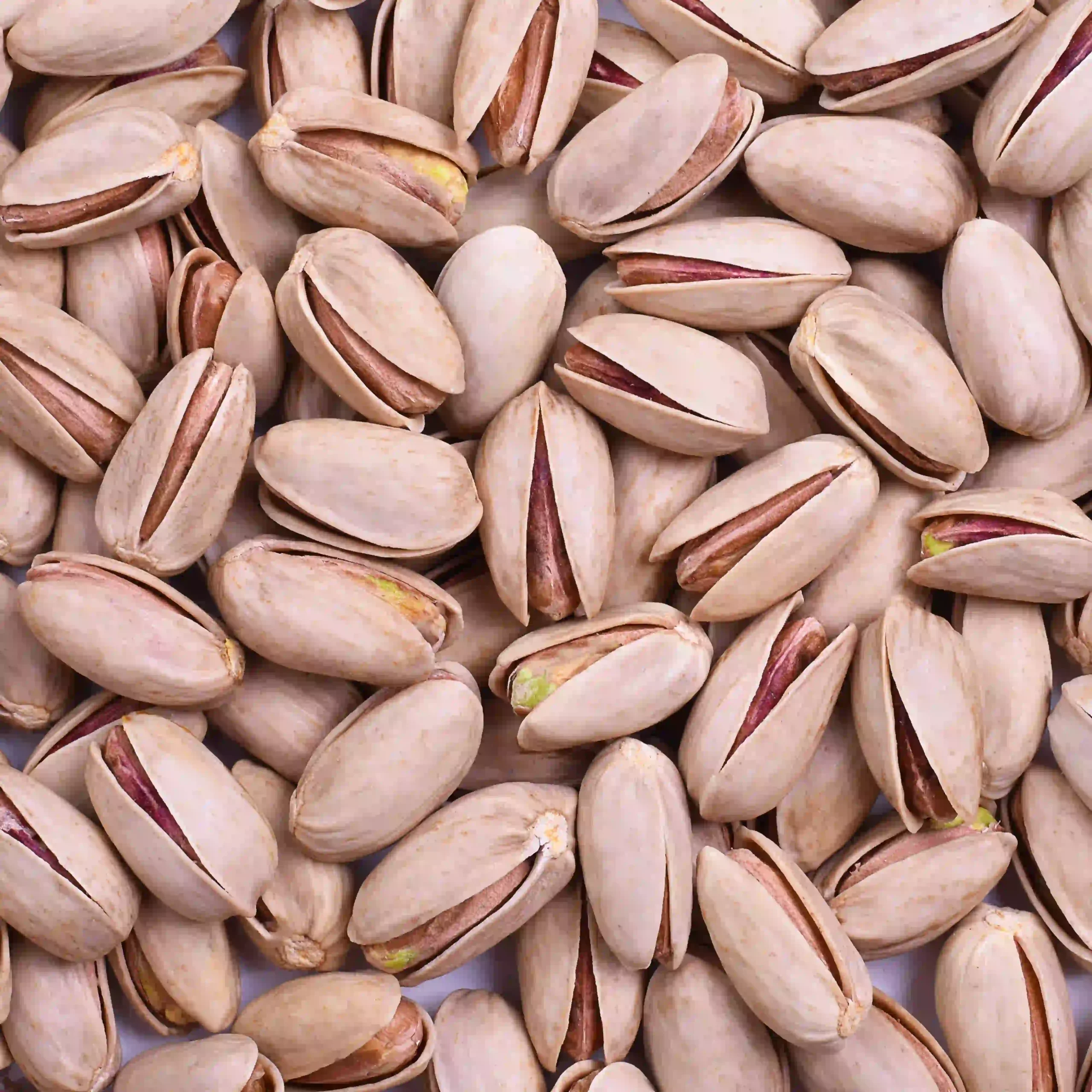
Jumbo pistachio Iran satisfies customers who prefer larger nuts. These varieties have substantial weight and satisfying size. Their kernels fill the shell completely without any gaps. Jumbo varieties create a hearty eating experience. Snack companies prefer them for their meaty texture. The large size also means easier shelling for processors.
- Kaleh Ghouchi Pistachio
This is the original jumbo variety Iran produces for export. The shape resembles a human kidney quite distinctly. Kaleh Ghouchi pistachio has a very thick, heavy shell. The kernel inside is plump and exceptionally flavorful. Its size makes it immediately recognizable in any mix. Many consider it the king of Iranian pistachios. - Fandoghi Pistachio
Fandoghi pistachio is the classic round pistachio Iran exports worldwide. The name means “hazelnut” due to its round shape. This variety has excellent taste and reasonable pricing structure. It remains the most popular choice for roasting and salting. The consistent size makes mechanical processing very efficient. Most everyday snacking pistachios are this variety. - Owhadi Pisatchio
Owhadi is another name for the Fandoghi variety . Some regions still use this traditional name. The cultivar performs well across different soil types. Studies show it has good resistance to pests . Owhadi remains a reliable choice for farmers. - Ghazvini Pistachio
The Qazvini pistachio, also known locally as “Kaleh Bozi,” is a distinct Iranian cultivar originating from the Qazvin region. It produces small to medium, almond-shaped nuts with a relatively green kernel and is notable for its high number of nuts per cluster. The tree is valued for being late-blooming but extremely early-ripening, typically ready for harvest by mid-August. Beyond its unique harvest timing, Qazvini is prized for its high oil content and kernel density, which allows it to be sliced or slivered without breaking—a highly desirable trait for the confectionery and food processing industries.
Persian Pistachio Processing and Product Types
Iranian pistachios undergo various processing methods before reaching global markets. Each treatment creates distinct products for different customer needs. The processing journey transforms raw nuts into versatile ingredients. Buyers can select based on their specific industry requirements.
Raw and unprocessed forms represent the starting point for all pistachio products. These items undergo minimal handling after harvest. They preserve the nut’s natural state completely. Many buyers prefer this category for maximum flexibility.
Iranian In-Shell Pistachio
In-shell pistachio represents the most traditional presentation format. The protective shell keeps kernels fresh during long shipments. Consumers enjoy cracking open the shells themselves. This form dominates retail snack sections globally.
Closed Shell Pistachios
Closed shell pistachios have shells that remain completely sealed. Processors use these for kernel extraction later. The closed shells protect kernels during transport. Manufacturers crack them open mechanically at processing facilities.
Naturally Open Shell Pistachios
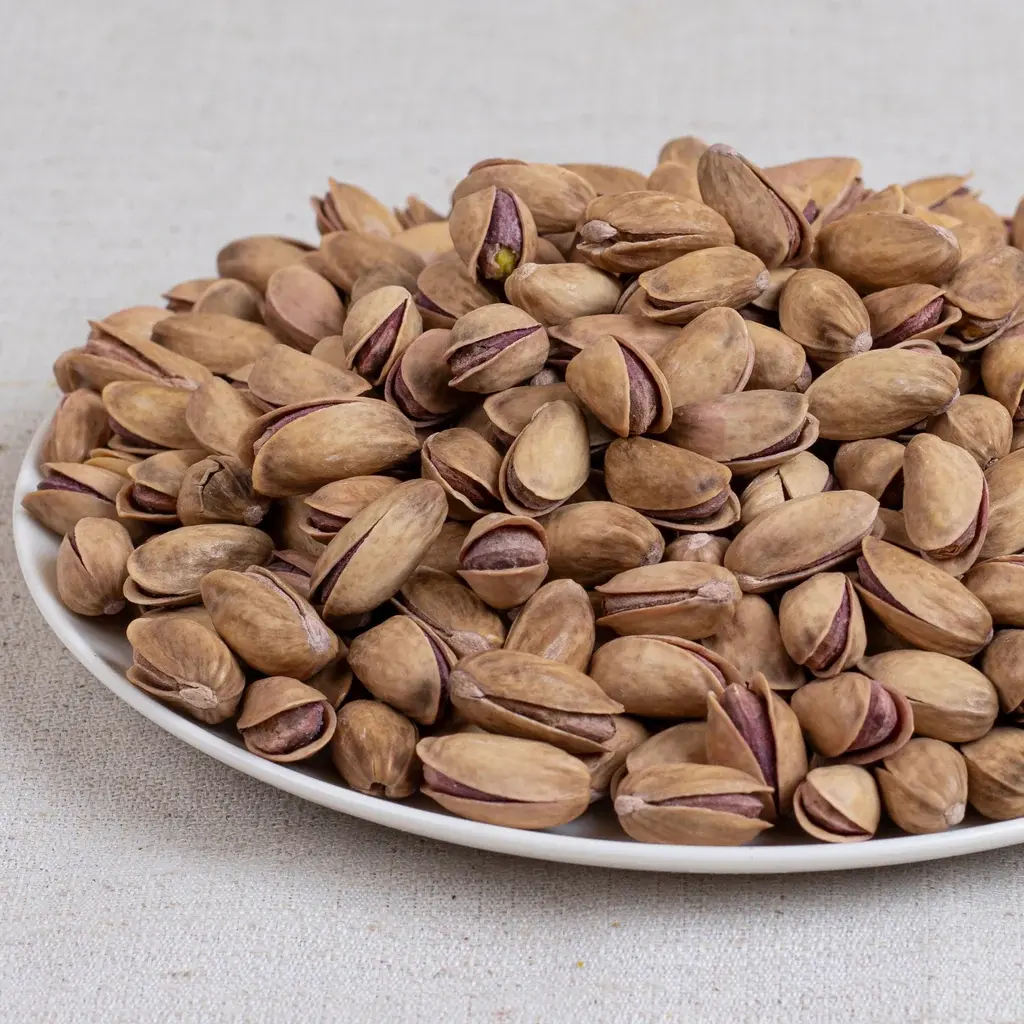
Open shell pistachios display the kernel naturally through a split. Nature creates this split when the fruit matures on trees. Consumers prefer open shells for easy snacking. This form requires no special equipment to enjoy.
Raw Iranian pistachio
Raw Iranian pistachio comes directly from the harvest with minimal handling. The nuts retain their natural moisture and original flavor profile. Many industrial buyers prefer raw form for further processing. Exporters ship raw nuts to roasters and snack companies worldwide.
Iranian Processed Snack Forms
Processed snack forms transform raw pistachios into ready-to-eat products. These treatments enhance flavor through roasting and seasoning methods. Consumers worldwide recognize and love these convenient options. The snack category drives the highest sales volumes globally. Manufacturers carefully balance taste with texture in every batch.
Roasted Persian Pistachio
Roasted Persian pistachio delivers a warm, toasty flavor profile. The roasting process caramelizes natural sugars inside each kernel. Roasted pistachio Iran maintains premium quality throughout. Light roasting preserves the kernel’s original green color. Dark roasting creates deeper, more intense flavor notes. The aroma of freshly roasted pistachios attracts customers instantly.
Salted Persian Pistachio
Salted Persian pistachio represents the most popular snack choice globally. Quality salt enhances the nut’s inherent sweetness perfectly. Salted pistachio Iran satisfies cravings for savory snacks. Some buyers specifically request unsalted pistachio Iran instead. Health-conscious consumers often choose the unsalted option. Many premium blends feature both salted and unsalted versions.
Mechanically (Artificially) Opened Pistachios
Mechanically opened pistachios solve the challenge of closed shells. Specialized equipment applies precise pressure to shell seams. Artificially opened pistachios undergo this same mechanical splitting. Open shell pistachios include both natural and mechanical types. Split pistachio refers specifically to naturally opened shells. Closed shell pistachios provide the raw material for opening.
Persian Psiatchio Advanced Processed Forms
Advanced processed forms represent the pinnacle of pistachio innovation. These products transform simple kernels into versatile culinary ingredients. Food manufacturers rely on them for consistent quality and flavor. Chefs appreciate the convenience of ready-to-use pistachio preparations. The forms open new possibilities for product development worldwide.
Persian Pistachio Paste
Pistachio paste comes from grinding kernels into smooth consistency. The paste retains the nut’s natural oils completely. Pastry chefs use it for fillings and creams. Premium ice cream makers incorporate it for authentic flavor. Artisan chocolate producers blend it into their recipes. The paste delivers intense pistachio taste without pieces.
Iranian Pistachio Butter
Pistachio butter resembles peanut butter in texture and use. Roasted kernels grind into smooth, spreadable form. It contains no additives or preservatives naturally. Health food markets embrace this nutritious alternative eagerly. Consumers spread it on toast or fruit. The butter offers protein and healthy fats conveniently.
Pistachio Powder
Pistachio powder results from finely grinding dried kernels. Bakers use it to add flavor to doughs. The powder blends easily into dry mixes without clumping. Confectioners dust desserts with it for decoration. Macaron makers incorporate it for color and taste. The powder creates vibrant green hues naturally.
Pistachio Quality Grades and Standards
The quality of Persian pistachio varies based on multiple factors. Different markets demand different specifications and characteristics. Global buyers encounter various grading systems from different suppliers. Understanding these differences helps make informed purchasing decisions.
Persian Pistachio: General Quality Factors
The quality of Persian pistachio depends on several measurable factors. Buyers evaluate these characteristics when selecting products. Each factor influences the nut’s value and market appeal. Understanding these elements helps purchasers make informed decisions.
- Pistachio Size
Iranian Jumbo size pistachio offers greater visual impact and appeal. Larger nuts suggest better value to consumers. Kaleh Ghouchi typically produces the largest sizes naturally. Size directly correlates with market price and demand. - Pistachio Shell Opening
Naturally opened pistachio indicates proper maturity at harvest. Open shells provide easy access to the kernel inside. Buyers prefer naturally opened over mechanically opened types. Higher open shell percentages increase product value significantly. - Closed Shell Pistachio Content
Closed shell pistachio remains completely sealed after harvest. Higher closed shell percentages reduce overall product appeal. Processors purchase these specifically for kernel extraction. Lower closed shell content means better quality grades. - Pistachio Harvest Method
Hand-picked Persian pistachio ensures only premium nuts get collected. Careful selection beats mechanical harvesting methods. Hand-picked lots contain fewer damaged or defective nuts. This labor-intensive method commands higher market prices. - Pistachio Drying Method
Sun-dried pistachio follows traditional Iranian preservation practices. Natural drying enhances the nut’s flavor profile. Artificial drying cannot replicate this traditional process. Sun-dried nuts often taste superior to mechanically dried ones. - Fat Content
High fat pistachio delivers richer taste and mouthfeel. Natural oils contribute to overall flavor experience. Confectioners seek high-fat nuts for premium products. Fat content varies significantly across different varieties. - Pistachio Color Intensity
Vibrant green kernels indicate premium quality pistachio. Brighter colors command higher prices in all markets. Color reflects growing conditions and harvest timing. Green pistachio kernel (GPPK) represents one of the top color grades. - Uniformity
Consistent size and shape characterize premium quality lots. Uniform nuts pack better and look more appealing. Dissimilarity reduces the overall grade significantly. Buyers pay more for visually consistent products.
Grading Systems Across the Industry
Different suppliers use varying parameters for their grades. Some focus primarily on size as the main factor. Others emphasize color and appearance more heavily. Certain systems prioritize open shell percentages exclusively. This diversity can confuse international buyers.
Exporters may label similar products with different grade names. One company’s Grade A differs from another’s completely. Buyers must verify actual specifications before purchasing. Relying solely on grade names creates risk.
NITC's Pistachio Grading Standards
Persian Pistachio: A Legacy of Quality Across Three Continents
Iranian pistachios represent one of the oldest agricultural treasures in human history, with cultivation dating back over 3,000 years to the dry desert regions of Persia . During the Achaemenid era, these prized nuts traveled along the Silk Road as valuable trade commodities . The very word “pistachio” derives from the Persian “Pesteh,” a linguistic legacy that traveled through Latin, Greek, Turkish, and Arabic into modern English . Today, Iran leads the world in pistachio cultivation area with over 600,000 hectares of orchards, producing nuts that reach 67 countries across four continents . What sets Persian pistachios apart is not merely their ancient heritage, but their distinctive characteristics shaped by Iran’s unique geography and climate. The mineral-rich soils and traditional sun-drying techniques create nuts with exceptional quality and taste that competitors struggle to match . As global demand grows, Persian pistachios continue their millennia-old journey from the orchards of Kerman to tables worldwide.
Persian vs. Turkish Pistachio
Physical Characteristics and Size
Persian pistachios are significantly larger and more diverse than Turkish varieties, with scientific research showing that 100 Iranian nuts average about 162 grams compared to 130 grams for Turkish nuts, offering greater product yield and a wide range of shapes including long Akbari, round Fandoghi, and jumbo Kaleh Ghoochi varieties that cater to different market preferences, whereas Turkish pistachios like Gaziantep, Şanlıurfa, and Siirt generally feature smaller kernels with specific regional characteristics, such as the bright green color of Gaziantep nuts or the larger, round kernels of Siirt pistachios often consumed roasted.Shell Opening and Accessibility
Persian pistachios are characterized by their thin, pale green shells that are lighter in color, more uniform, and easily hand-cracked, boasting a high natural splitting rate of nearly 79 percent that minimizes processing waste; in contrast, Turkish pistachios have darker, more twisted, and moderately thicker shells with a lower natural split rate of approximately 67 percent, which often necessitates additional mechanical processing.Kernel Color and Visual Appeal
Persian pistachios are distinguished by their visually appealing pale green kernels, with premium varieties achieving the vibrant green color of the highest “Green Pistachio Kernel” grade, a trait prized in global markets and enhanced by their thin shells; in contrast, Turkish pistachios offer kernels with deeper green to purple hues, with Gaziantep varieties featuring a bright green shade that is ideal for desserts and provides rich visual contrast in culinary dishes.Flavor Profile and Roasting Characteristics
Persian pistachios are prized for their rich, buttery flavor with sweet undertones, a quality enhanced by their higher unsaturated oil content that allows for roasting at higher temperatures (160-180°C) to develop their unique taste while ensuring safety, whereas Turkish pistachios, particularly those from Gaziantep, offer a more robust, earthy flavor with an intense aroma and only a slight sweetness.Kernel-to-Shell Ratio
Persian pistachios offer a significant commercial advantage with approximately ten percent higher edible meat content than Turkish varieties, resulting from their thinner shells and providing better value for money and greater efficiency for processors, while Turkish pistachios typically have slightly lower meat percentages due to their thicker shells.Global Reputation and Market Position
Iran’s pistachio heritage spans thousands of years, with the very word “pistachio” deriving from the Persian “Pesteh,” reflecting a deep cultural significance that has made the nut a symbol of tradition and quality; this historical legacy, combined with Iran’s reputation for producing the world’s highest quality pistachios, creates a powerful market advantage, as the “global fame of Iranian pistachio” builds buyer trust and, together with the diversity of four main commercial varieties—each with distinct properties and flavors—allows producers to precisely match products to specific market needs.Persian vs. American Pistachio
Physical Characteristics and Size
Persian pistachios offer exceptional visual diversity with premium varieties like long Akbari, jumbo Kaleh Ghouchi, and round Fandoghi, representing centuries of selective breeding in Iran’s pistachio belt, while American pistachios from California are mechanically harvested from a limited number of commercial cultivars, focusing on uniformity rather than the rich variety that Persian orchards naturally provide.Shell Appearance and Natural Opening
Persian pistachios feature thin, pale green shells that display their natural coloration without bleaching, allowing the vibrant kernel to show through, whereas American pistachios, while never bleached, undergo mechanical harvesting that, despite efficiency, cannot replicate the careful traditional handling that preserves the delicate shell quality of Persian nuts.Kernel Color and Visual Quality
Persian pistachios are globally prized for their pale green kernels, with premium varieties achieving the coveted “Green Pistachio Kernel” grade that commands higher prices in international markets, while American pistachios, though consistent in appearance, simply cannot match the natural color intensity that has made Persian nuts the standard for visual quality worldwide.Flavor Profile and Oil Content
Persian pistachios deliver a rich, buttery flavor with complex sweet undertones, enhanced by higher unsaturated oil content that reaches up to 67.72 percent in varieties like Ahmad Aghaei, and traditional roasting at 160-180°C intensifies this distinctive taste; in contrast, American pistachios offer a milder profile designed for mass-market appeal, lacking the depth that connoisseurs expect from true Persian pistachios.Kernel-to-Shell Ratio
Persian pistachios demonstrate excellent nut percentage across varieties, with research showing values ranging from 56.3 to 62.4 percent edible meat, while the thinner shells characteristic of Iranian cultivars provide better value through higher yield per shipment, an advantage that American producers cannot claim despite their advanced mechanical processing.Global Heritage and Market Trust
Iran’s pistachio heritage spans over 3,000 years, with the very word “pistachio” deriving from the Persian “Pesteh,” and today Iran cultivates more than 60 varieties across regions like Kerman and Feizabad; research consistently identifies the “global fame of Iranian pistachio” as a key market advantage, with Iranian exports reaching approximately $1.7 billion in 2024, proving that despite competition, discerning buyers worldwide continue to trust the original source of this ancient treasure.